Skip to content

IFS Enterprise Asset Management (EAM)

Eqeep implements IFS Cloud EAM: asset register, maintenance planning and work orders in one process.

Engineer inspecting equipment at an electrical substation

Where does maintenance need better asset information?

Maintenance managers need to know which assets are critical, what work is due and what it costs. Eqeep maps the asset structure, maintenance plans and cost allocation with your team. See how this works for asset availability.

Planners combine preventive work, faults and production windows in one schedule. Technicians need work orders, history and spare parts information on site. We connect those steps so the next action and its owner are clear. Explore mobile field work.

Asset managers and finance weigh repair against replacement over the full lifecycle. IFS Cloud keeps condition, costs and investment plans together. Open the IFS business value study for industry use cases.

Which asset processes should IFS Cloud connect?

Eqeep assesses IFS Cloud EAM functions against your asset types, maintenance strategy and existing systems. We agree scope, integrations and data ownership before implementation.

Asset lifecycle management

Follow assets from installation to replacement

Asset Performance Management

Plan maintenance on condition and risk

Preventive and corrective maintenance

Balance planned work with production windows

Mobile maintenance

Record work, faults and parts on site

Networks, fleets and installations

Manage linear assets, vehicles and equipment

Asset investment planning

Prioritise replacement and investment by risk

Inspections and compliance

Keep inspection records with each work order

EAM and field service

Connect maintenance with service contracts

Brochure Enterprise Asset Management

Read how IFS connects asset information, maintenance planning and work execution.

How Emergya Wind Technologies moved maintenance work onto tablets

Wind turbines

Emergya Wind Technologies improves materials control in turbine service

Emergya Wind Technologies (EWT) wanted better control of materials across its wind-turbine service operations. Service engineers now receive planned maintenance and service work orders on tablets and record the materials used. The published story describes bookings reaching IFS directly instead of in a monthly report, and more reliable replenishment of service vehicles. This example concerns an earlier IFS Applications 9 project.


One chain from asset register to completed work order

Maintenance work passes through the asset register, planning, execution and cost analysis. Eqeep connects the information at each step and agrees who approves what.

  1. Register

    Asset structure

    Record assets, locations and technical data in one hierarchy. Each asset has an owner and agreed maintenance requirements.

  2. Plan

    Maintenance planning

    Preventive plans, condition signals and faults become work orders. Planners schedule them around production and available technicians.

    People decide: planners set priorities when work competes for the same window.

  3. Execute

    Work execution

    Technicians receive work orders, history and spare parts information. They record time, materials, measurements and findings.

    People decide: technicians flag follow-up work and supervisors approve it.

  4. Analyse

    Costs and lifecycle decisions

    Costs and failure history accumulate per asset. Asset managers compare repair, overhaul and replacement on that basis.

Choose where IFS EAM changes maintenance first

Two maintenance technicians standing on top of a wind turbine nacelle
Technician climbing a steel structure with safety equipment
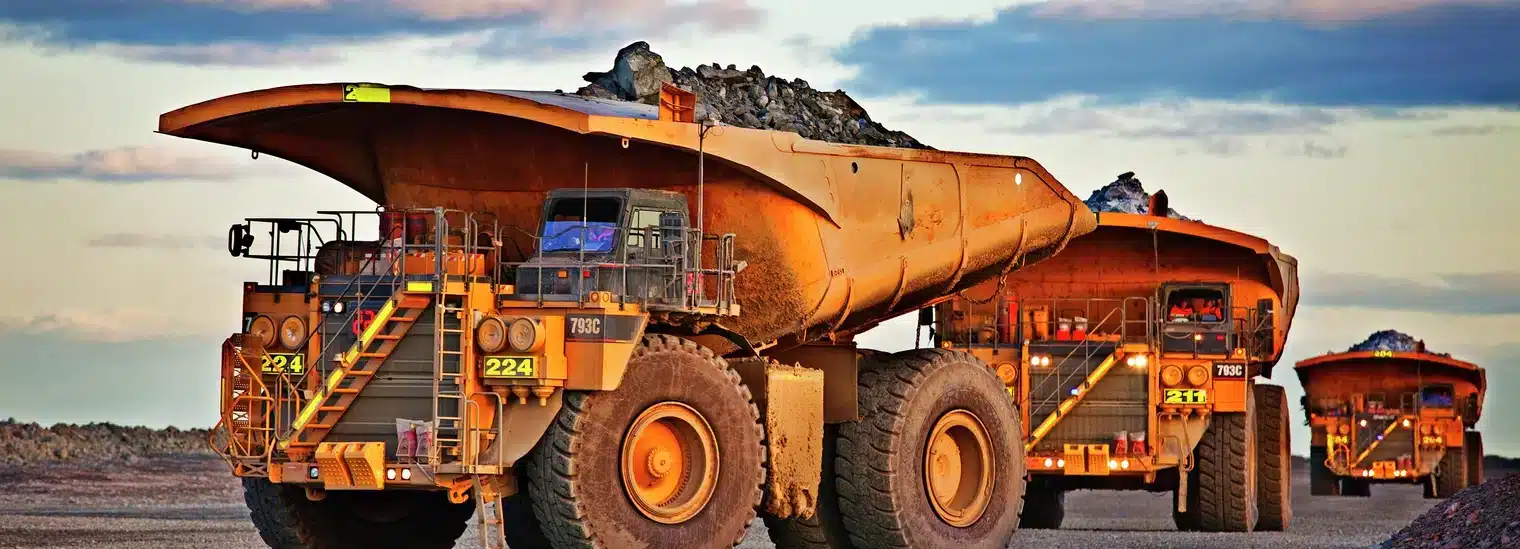
Large mining haul trucks loaded with ore at an open-pit mine
Engineer in a hard hat and safety glasses at an industrial plant at dusk

Predictive maintenance with Industrial AI

Eqeep checks whether your sensor and failure data supports reliable predictions. Your asset managers decide on timing, inspection and acceptable risk.

Read about AI and predictive maintenance

IoT and digital twins

Connect condition measurements to the asset hierarchy. We agree which signals create work and which only inform.

Read about IoT and digital twins

EAM and FSM together

Use one process for internal maintenance and for service to customers. Contract terms and asset history stay connected.

Read how EAM and FSM work together

IFS EAM or Ultimo

Choosing between IFS EAM and Ultimo? Compare scope, integrations and lifecycle needs before you compare features.

Read the comparison

Questions before modernising EAM

What makes IFS EAM different for asset-intensive organisations?

IFS Cloud EAM connects asset records, maintenance planning and work execution. Managers can use work history when assessing maintenance and replacement decisions. We check the data and integrations your team needs.

Where does Industrial AI fit in EAM?

Industrial AI can support specific maintenance decisions where suitable data and functions are available. Examples include reviewing exceptions or prioritising work orders. We assess data quality and model outputs; your asset managers decide timing, inspection and acceptable risk.

Can EAM run alongside SAP?

Yes, when processes, integrations and responsibilities are defined. We agree which asset records are authoritative and how work orders and costs move between systems. Your team decides the boundary between EAM and the existing ERP environment.

Should we choose IFS EAM or Ultimo?

That depends on scope. IFS Cloud EAM fits when maintenance, finance, projects or field service need one connected process. A standalone maintenance system can fit a smaller scope. Read our comparison of IFS EAM and Ultimo.

How long does an EAM implementation take?

That depends on the number of asset types, data quality, integrations and your team’s availability. Eqeep estimates the work after reviewing your asset register and maintenance plans. We agree milestones and acceptance moments before the project starts.

What should we prepare before the first conversation?

Start with your asset register, maintenance plans and failure history. Bring the maintenance or replacement decisions your team finds hardest today. We use them to set the first scope and baseline.

Who you will talk to

Discuss your assets, maintenance processes and integration questions with Robert Kool.

  • Robert Kool, Solution Architect at Eqeep

    Robert Kool

    Solution Architect

    Utrecht, Netherlands

Discuss your IFS question

Tell us where you stand with IFS. You get one conversation and a clear next step.

Tell us which assets cause the most disruption and which maintenance decisions need better information.